
Birds of a Feather Activity Kit


ITEM #134
View Afterschool STEM Kits
- Examine a real peacock feather!
- Includes all materials and instructions
- Discover how feathers help birds survive!
- Encourages curiosity about science & nature
- Includes 60-minute step-by-step video lesson
Refills or Additional Components for Birds of a Feather Activity Kit:
| Item # | Name |
|---|---|
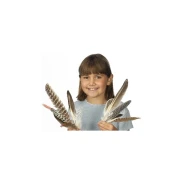
| x134z | Feather Assortment Set (10 Feathers) |

There are thousands of different species of birds around the world. Some live in hot climates, some in cold. Some eat plants and small insects, while others eat small animals. Some are awake during the day and some at night. Despite all of their differences, there is one distinct characteristic that is unique to all birds... feathers!
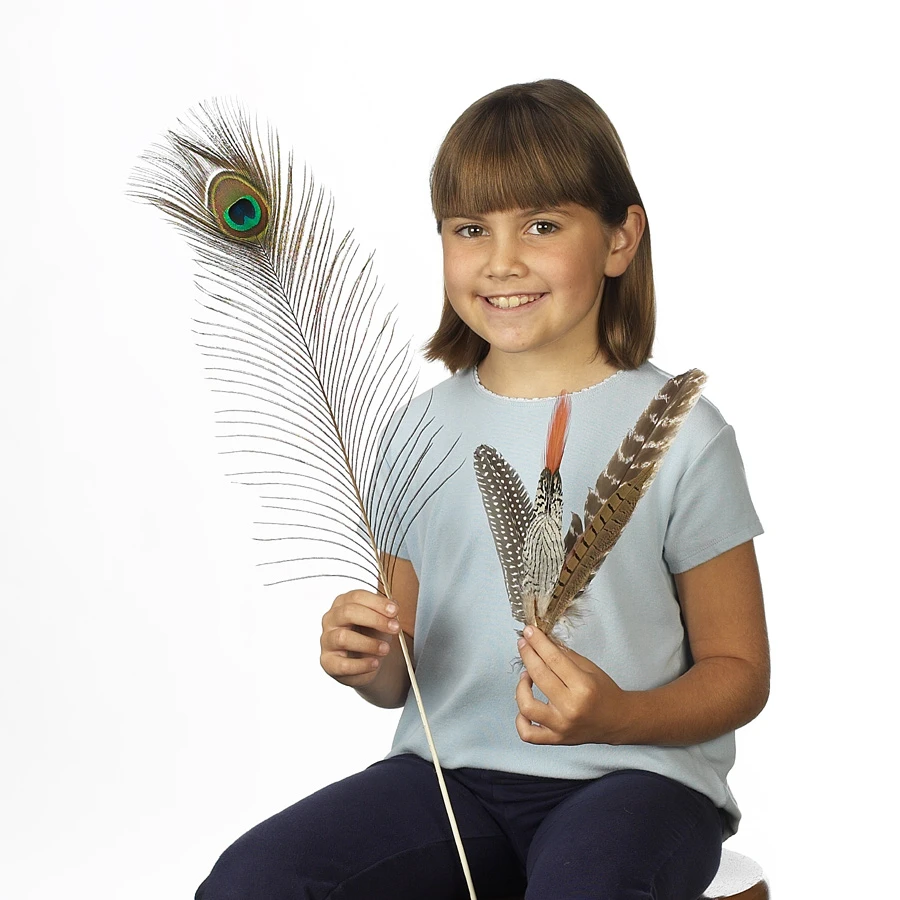
Kids will be excited to learn about feathers and birds and thrilled to take home a real peacock feather of their very own!
For use in grades TK-8 under adult supervision. Ages 8+ for other uses.
Concepts Taught:
- Understand the importance of feathers.
- Learn the structure and parts of feathers.
- Discover the 6 types of feathers and what they're used for.
- Use critical thinking to understand why each bird's feathers are different.
- Compare and contrast the features and uses of different feathers included in this kit.
Materials Included:
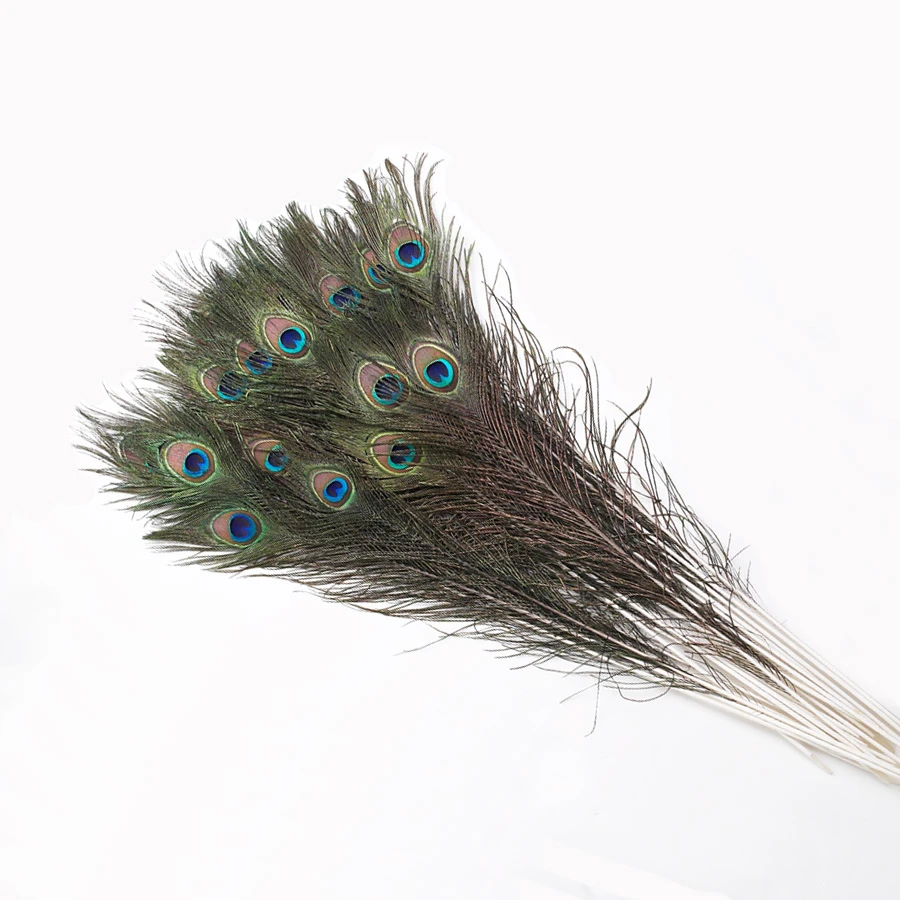
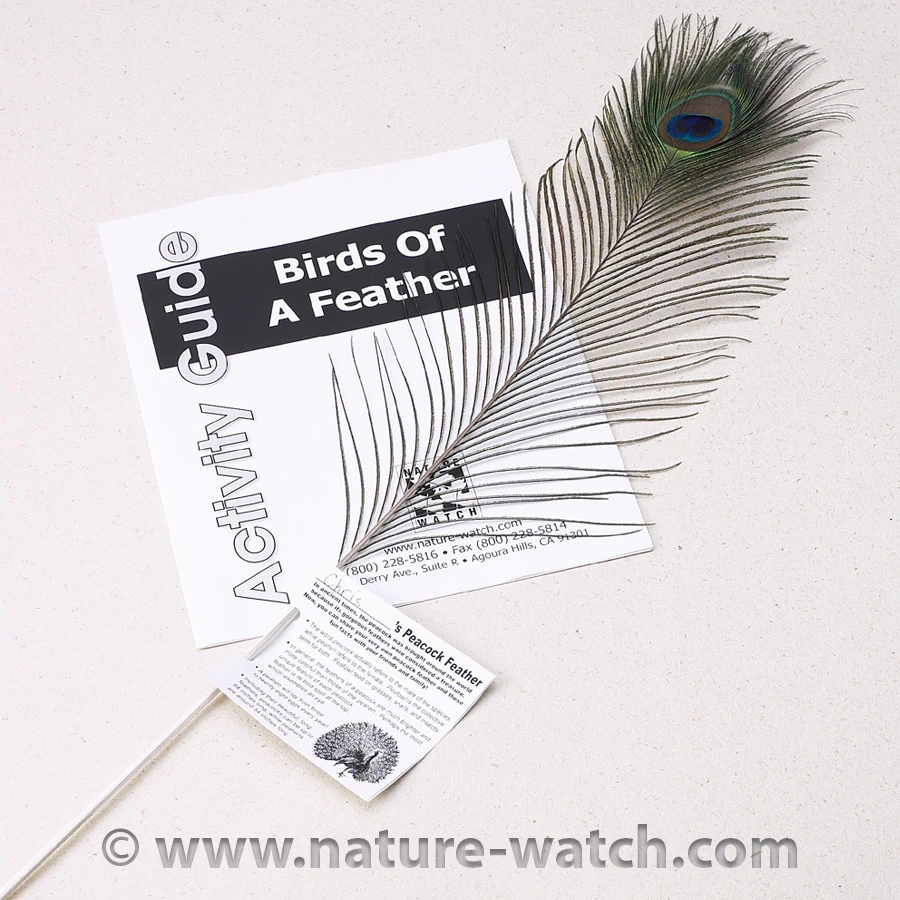
- A gorgeous 30+" Peacock Feather with full eye for each participant to insert into a feather information card for taking home.
- 9 different feathers to compare and contrast as participants learn about the purpose and structure of each unique type. These feathers are beautiful (and real)!!!
- Exclusive activity guide that provides everything instructor's need to teach about feathers - amazing feather facts, fun feather activities, and a reproducible activity page.
You May Also be Interested In...
Item #152
$72.25-289.00
Item #x134z
$26.39
Item #122
$35.95-143.80