Animal Food Chain Food Web Activity Kit
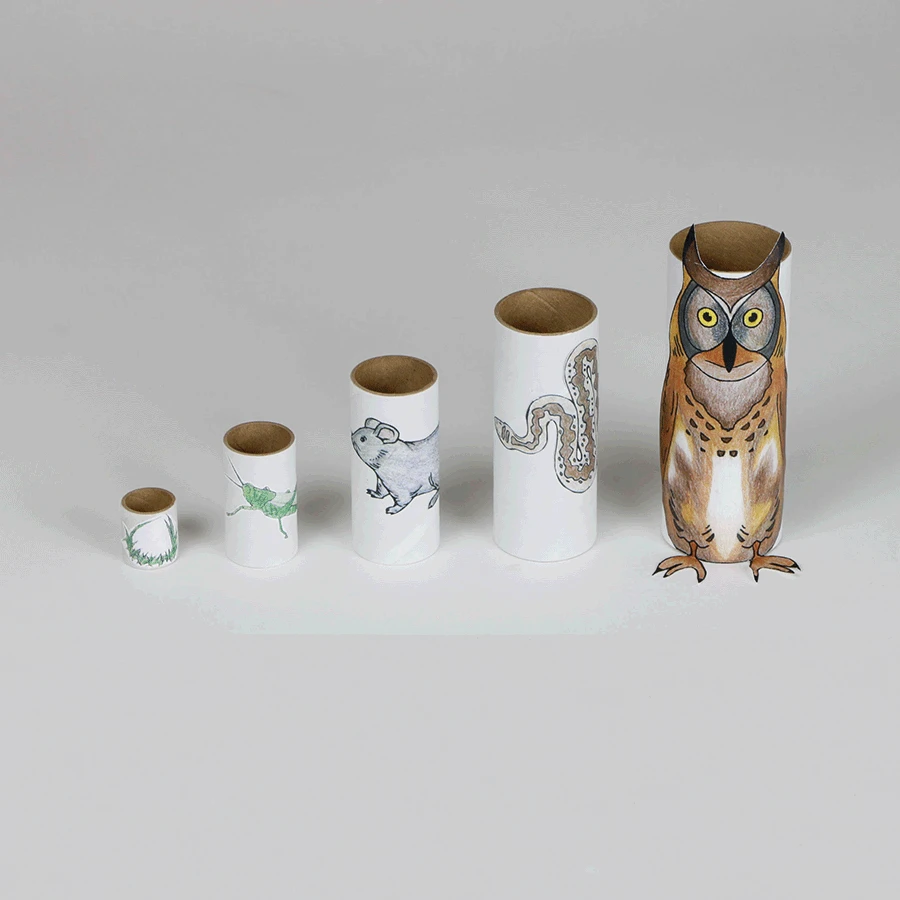
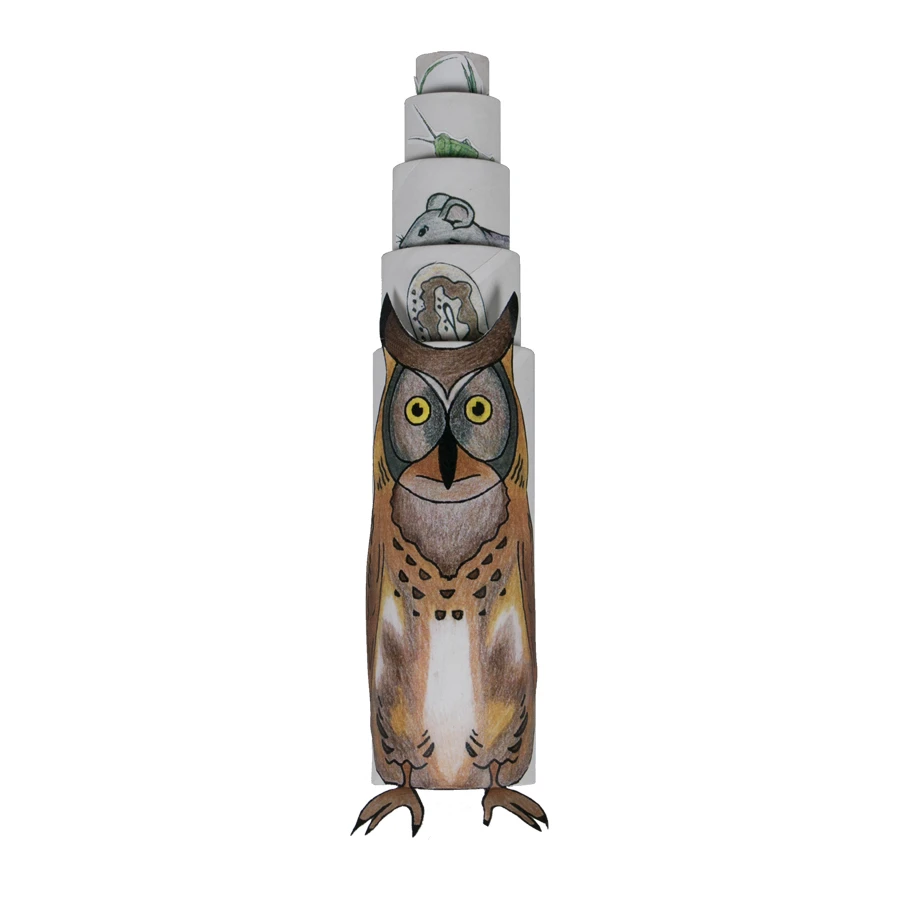

- Craft your own food chain model!
- Includes all materials and instructions
- Learn about the flow of energy in ecosystems
- Encourages curiosity about science & nature
- Includes 60-minute step-by-step video lesson
| Item # | Name |
|---|---|
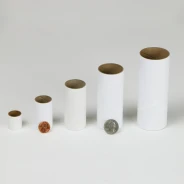
| x146z | Nesting Tubes (25 sets) |

Food chains demonstrate the amazing interdependence that exists within nature. From sunlight and photosynthesis to plants and animals, food chains are critical to our ever changing natural world.
Our Food Chain Activity Kit teaches children about the importance of food chains and provides a model for them to create and take home. Color, cut out and glue the images onto the 5 tubes which represent different links in the chain; then, starting with the smallest, have each member of the model chain "eaten" by the next until all of them are "consumed" by the top member. Each tube "nests" within the next to vividly illustrate how a food chain works. Top and Bottom Caps are provided for easy storage by each child.
For use in grades TK-8 under adult supervision. Ages 8+ for other uses.
Unit Goals and Concepts:
- Introduce the concepts of food chains.
- Discuss the different levels of a food chain, and the organisms that below to each.
- Create a Food Chain model that will allow children to visualize and "play with" a food chain.
Materials Included:
- Custom-made Food Chain tubes, plus artwork and caps for each participant to create his or her own Food Chain model.
- Our exclusive instructor's activity guide that provides instructors with everything they need to teach about food chains, plus a reproducible worksheet for your participants.
- Glue
- The only materials you supply are markers or crayons.
Companion Book:
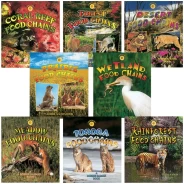
Looking for a books about various food chains? Click here.