Star Seekers Constellation Map Activity Kit


- Build a real constellation viewer!
- Includes all materials and instructions
- Learn about stars and the night sky
- Encourages curiosity about science & space
- Includes 60-minute step-by-step video lesson

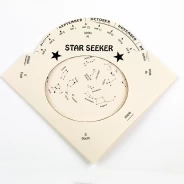
Everyone is absolutely fascinated with the wonder of the night sky. In the unimaginably huge universe, we have the opportunity on any clear night to catch a glimpse of a little corner that makes up our galaxy. The underlying premise behind navigating our night sky is recognizing some of the 88 constellations above us. Our exclusive Star Seekers Activity Kit teaches kids to recognize and locate key constellations and increase their knowledge of the types of objects in the night sky. Kids get to make and take home their own Star Finder (similar to those used by the experts), which they can use to locate constellations in the night sky.
For use in grades TK-8 under adult supervision. Ages 8+ for other uses.
Unit Goals and Concepts:
- Learn to recognize constellations.
- Increase knowledge of types of objects in the night sky.
- Make a star finder and learn to use it.
- Practice using the star finder to locate night sky constellations.
Materials Included:
- 25 Star Finder sets.
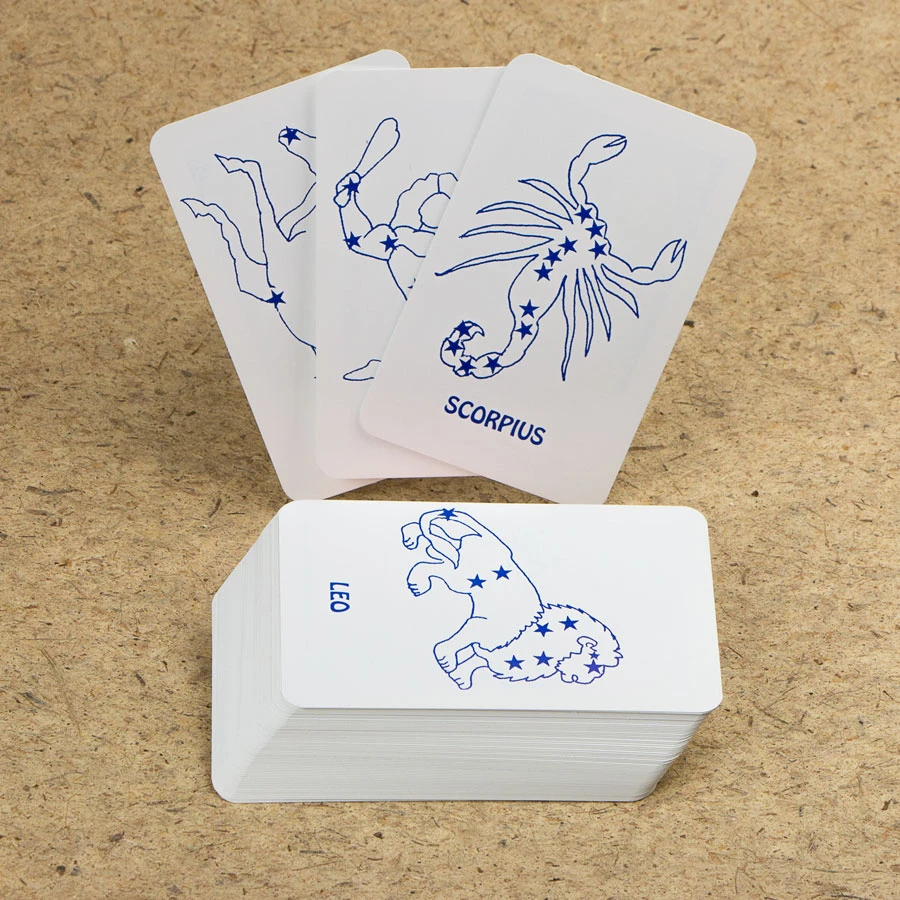
- Two decks of Nature Watch's exclusive Star Cards, which turn learning to recognize the constellations into a series of fun games.
- Our exclusive instructor's activity guide that makes planning the project easy and delivers loads of fun ideas for activities, games and relevant projects.
- The only materials you supply are markers and scissors.
For groups larger than 25, simply add extra Star Finder sets or Star Seeker cards on to your order (see below).
$8.49