Spider Web Frame Activity Kit


Not for children under 3 years.
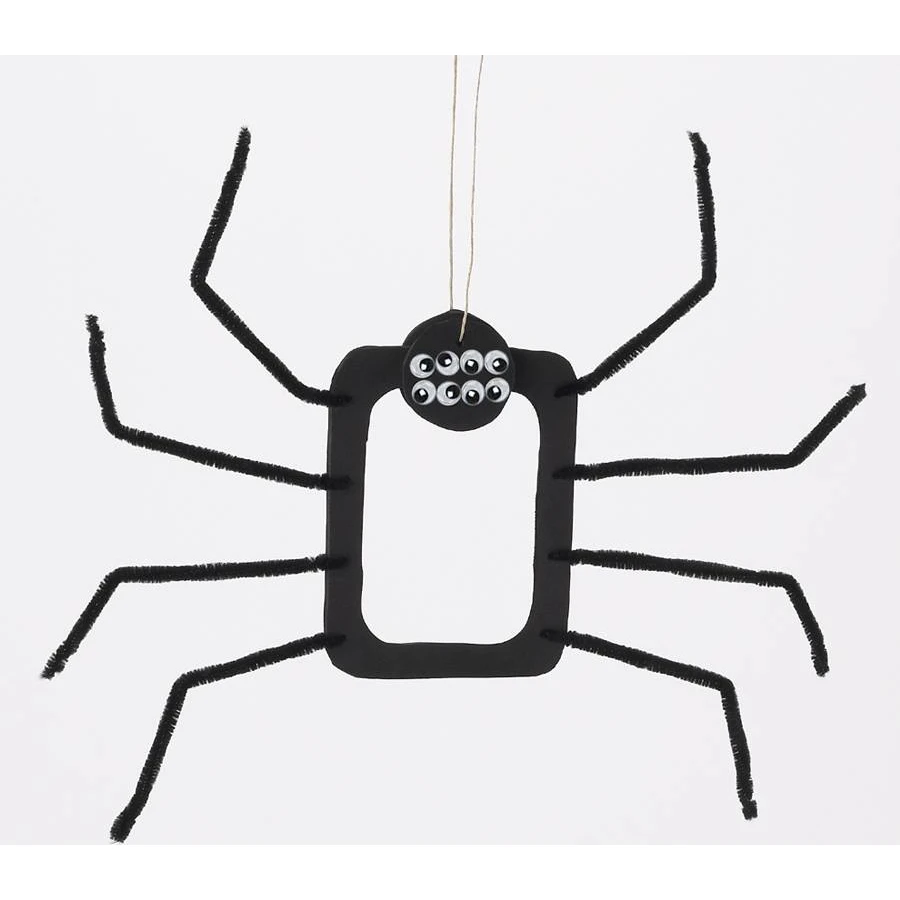
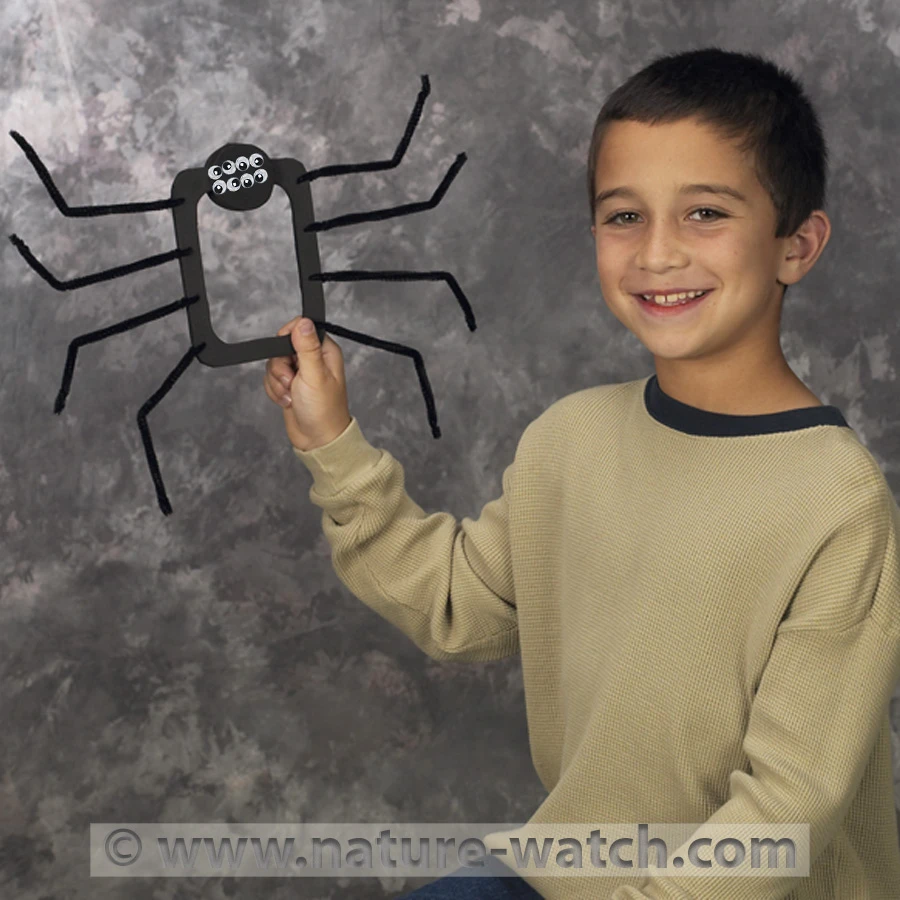
- Craft a frame for a spider to build its web!
- Includes all materials and instructions
- Learn about spiders and why they spin webs
- Encourages curiosity about science & nature
- Includes 60-minute step-by-step video lesson

Spiders are amazing! From the Spiderman cartoon and Charlotte's Web to the movie Arachnophobia, these creepy crawlers have always fascinated people. What's most unique about spiders is the way they catch their food; no other animal can spin beautiful tapestry webs to trap their food.
Here's a great project with a dual purpose! On the one hand, it's a really cute spider craft that kids can make using the materials we've included to gain an understanding of some of the distinctive features of a spider's anatomy. But wait, there's more! Hang it from a tree or plant, and the open "frame" serves as a canvas on which a spider can spin her web. Then watch as your new "spider pet" catches flies and climbs down her web to eat her prey!
For use in grades TK-8 under adult supervision. Ages 8+ for other uses.
Unit Goals and Concepts:
- Introduce spiders and other arachnids to your participants.
- Understand how and why spiders make webs.
- Discuss the different body parts of spiders.
- Create a spider web frame.
Materials Included:
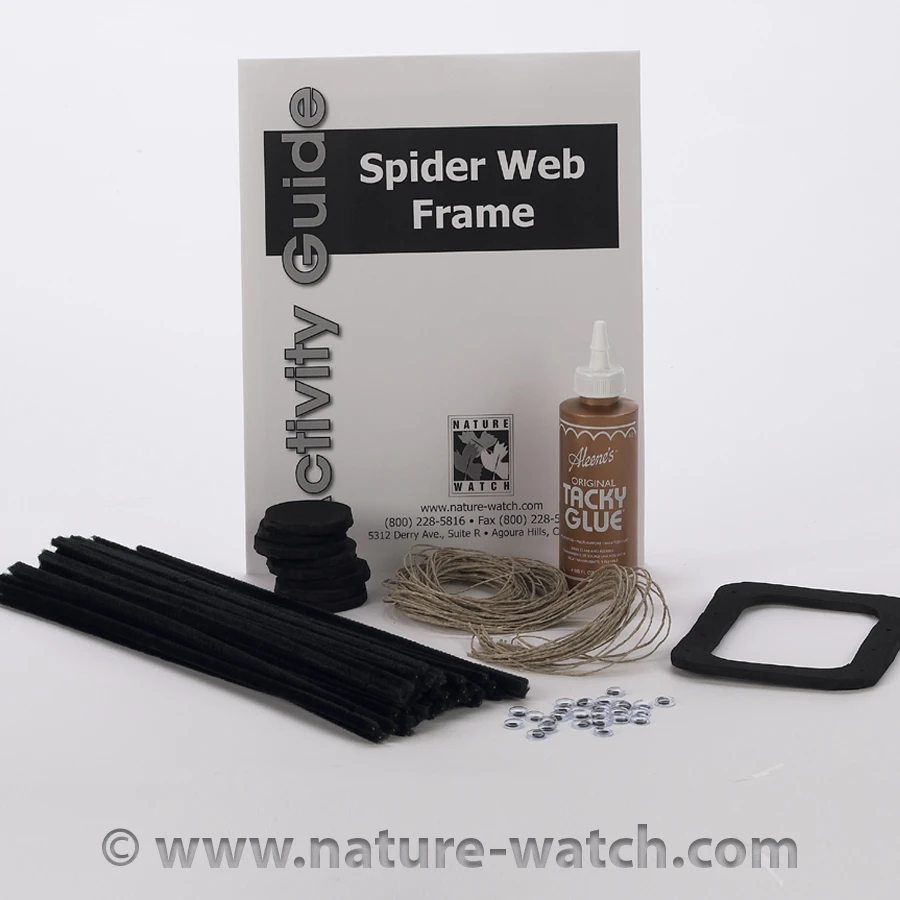
- Our specially designed foam spider web frame components, plus pipe cleaners, "googly" eyes and other materials for each participant to make a spider web frame.
- Our exclusive instructor's activity guide that provides instructors with everything they need to teach about spiders, plus a reproducible worksheet for your participants.