
Solar System Model Craft Activity Kit

ITEM #132
View Afterschool STEM Kits
- Craft a replica solar system!
- Includes all materials and instructions
- Learn the planets and how our solar system works
- Encourages curiosity about science & space
- Includes 60-minute step-by-step video lesson
Refills or Additional Components for Solar System Activity Kit:
| Item # | Name |
|---|---|
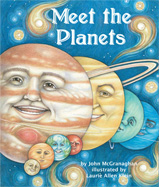
| 603z | Meet the Planets Book |

Take a trip through space with our Solar System Activity Kit. Kids learn about each planet in the Solar System by building their own Solar System panel. They'll be amazed by interesting facts about each planet, including the difference in gravity between the planets.
For use in grades TK-8 under adult supervision. Ages 8+ for other uses.
Unit Goals and Concepts:
- Compare and contrast numerous features of different planets.
- Gain an understanding of our place in the solar system.
- Build a replica solar system as a take-home project.
Materials Included:
- An 18" printed solar system panel and special foamy modeling material to make the solar system model.
- Tacky glue.
- Our exclusive instructor's activity guide with loads of fun facts about the solar system along with games and other space-related activities.
- The only materials you provide are watercolors.
Companion Book:
You May Also be Interested In...
Item #161
$53.75-195.00
Item #653k
$14.95
Item #310v
$24.99
Item #426a
$57.99
Item #155
$53.75-195.00
Item #107s
$53.75-195.00
Item #655k
$24.95