
Rattlesnake Craft Activity Kit


WARNING: Choking Hazard
Not for children under 3 years.
Not for children under 3 years.
ITEM #131
View Afterschool STEM Kits
- Decorate an interactive rattlesnake craft!
- Includes all materials and instructions
- Learn about rattlesnakes and their habitats
- Encourages curiosity about science & nature
- Includes 60-minute step-by-step video lesson

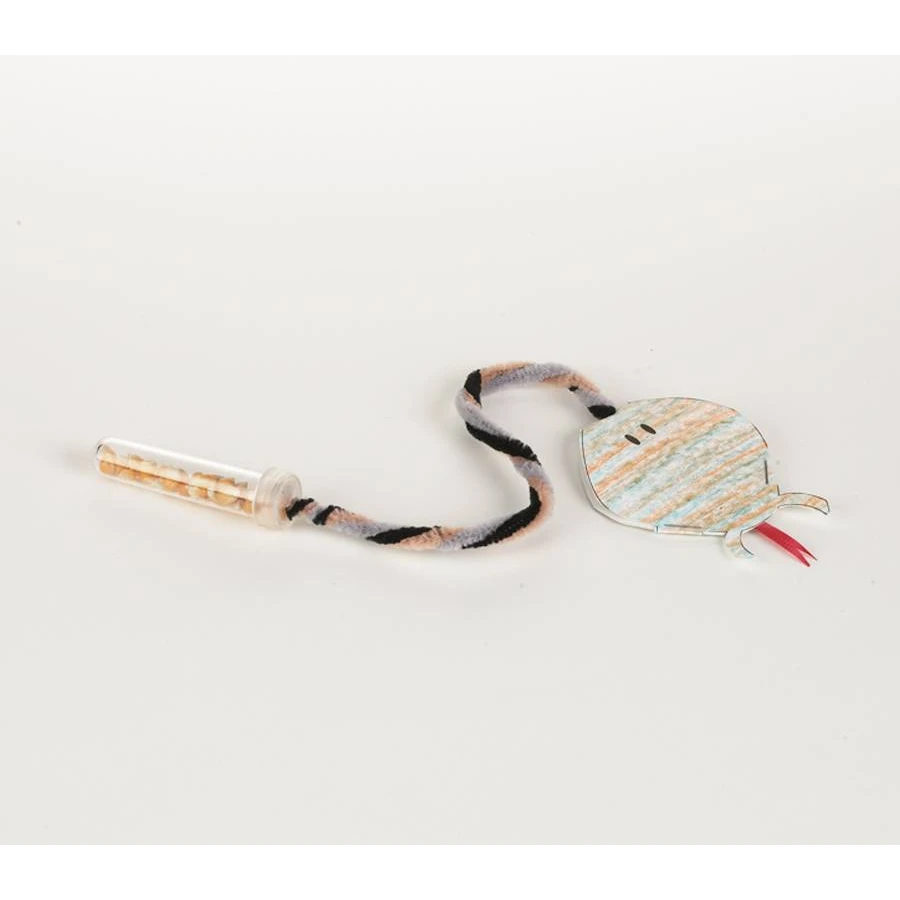
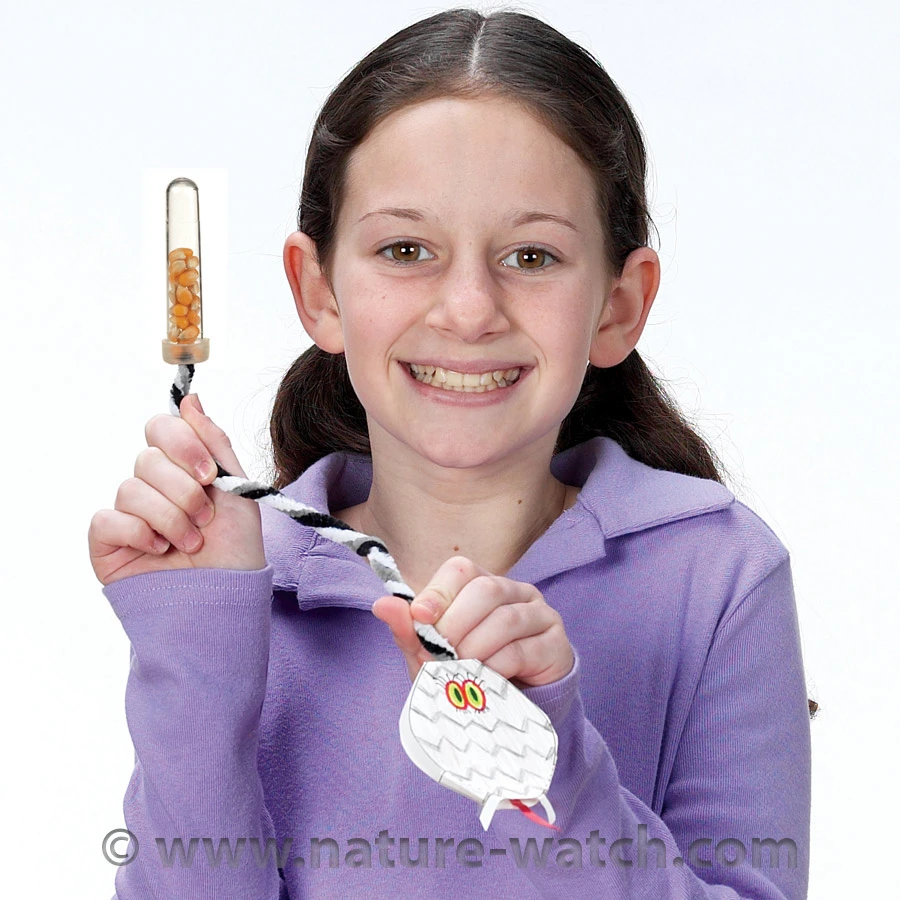
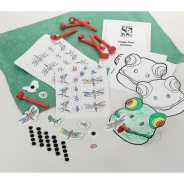
Our Rattlesnake Activity Kit is a perfect example of how we've made learning fun and hands-on! Kids make a rattlesnake that really rattles as they learn about these amazing creatures. Twist our rattlesnake-colored pipe cleaners into a rattlesnake head, attach a special vial filled with some popcorn kernels, apply some appropriate coloring and you have a rattling rattlesnake! We even include ribbon for a special snaky tongue.
For use in grades TK-8 under adult supervision. Ages 8+ for other uses.
Unit Goals and Concepts:
- Find out about the features of rattlesnakes that make them so fascinating.
- Learn about a variety of different rattlesnake species.
- Play and participate in fun rattlesnake activities.
- Create a rattlesnake project.
Materials Included:
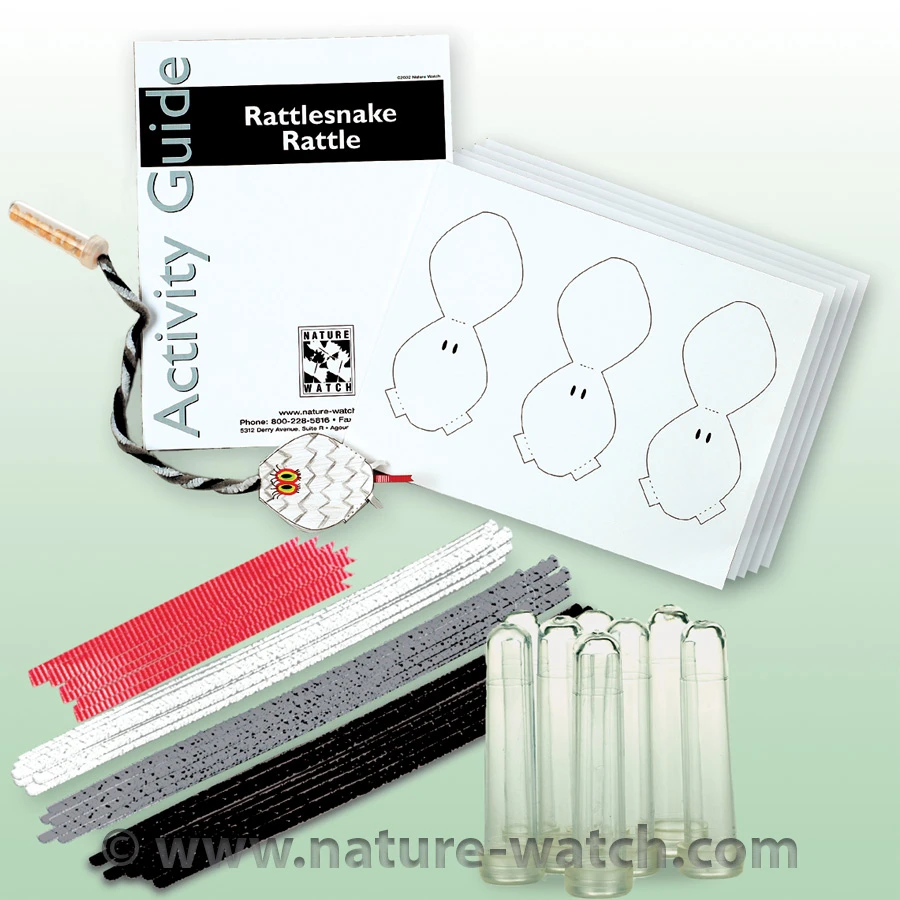
- Pipe cleaners, "tail vial", ribbon, popcorn kernels, and rattlesnake "head" cutout for each participant.
- Our exclusive instructor's activity guide that is filled with fun facts about rattlers along with games and other snake-related activities.
- The only materials you provide are markers or crayons and tape or glue.
You May Also be Interested In...
Item #123
$53.75-195.00
Item #409a
$31.85
Item #409f
$14.01
Item #805f
$94.95