
Raptors: Birds of Prey Activity Kit



WARNING: Choking Hazard
Not for children under 3 years.
Not for children under 3 years.
ITEM #136
View Afterschool STEM Kits
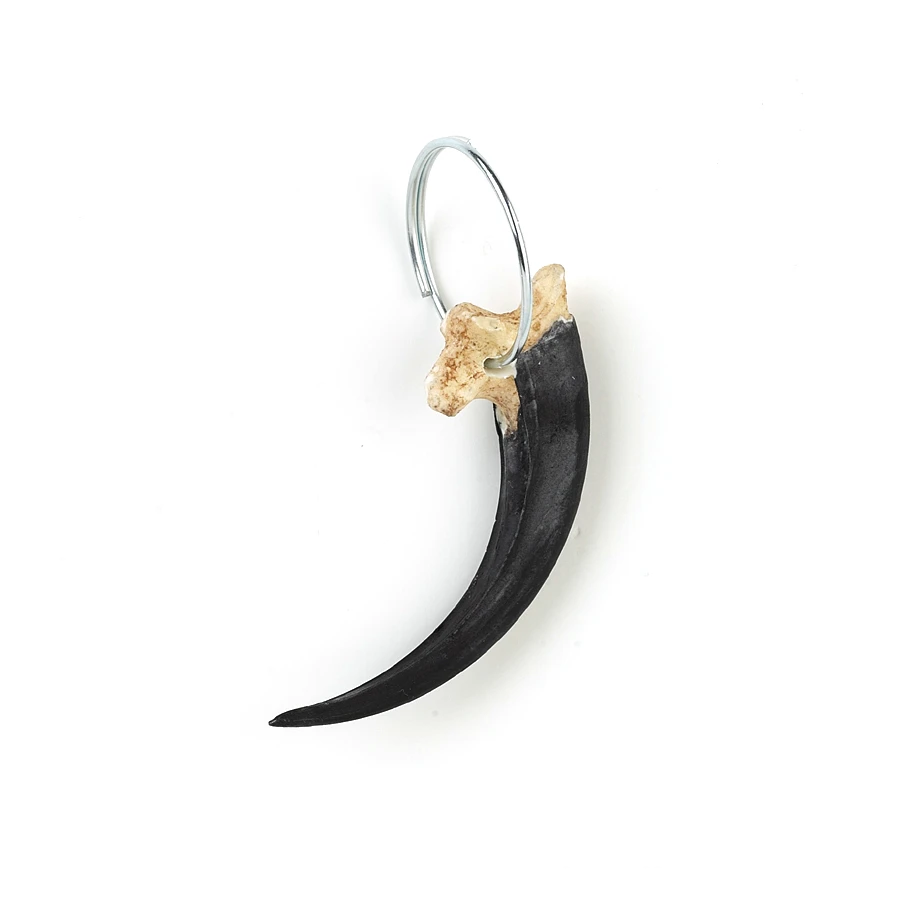
- Craft a replica Golden Eagle Talon keychain!
- Includes all materials and instructions
- Learn about birds of prey
- Encourages curiosity about science & nature
- Includes learning activity ideas and games

Raptors are amazing! Did you know that the fastest animal on earth is NOT the cheetah, but rather the Peregrine Falcon which dives toward its prey at over 150 miles per hour! This incredible activity kit teaches participants all about birds of prey. From their keen eyesight to their hooked beaks and sharp claws (called talons), Raptors are unusual, fascinating animals to study. Kids get to make and take their own Golden Eagle Talon key chain!
For use in grades TK-8 under adult supervision. Ages 8+ for other uses.
Unit Goals and Concepts:
- Understand the three traits common to all raptors.
- Compare and contrast different types of raptors and learn interesting facts about them in the process!
- Learn why the claw is so important to the Golden Eagle.
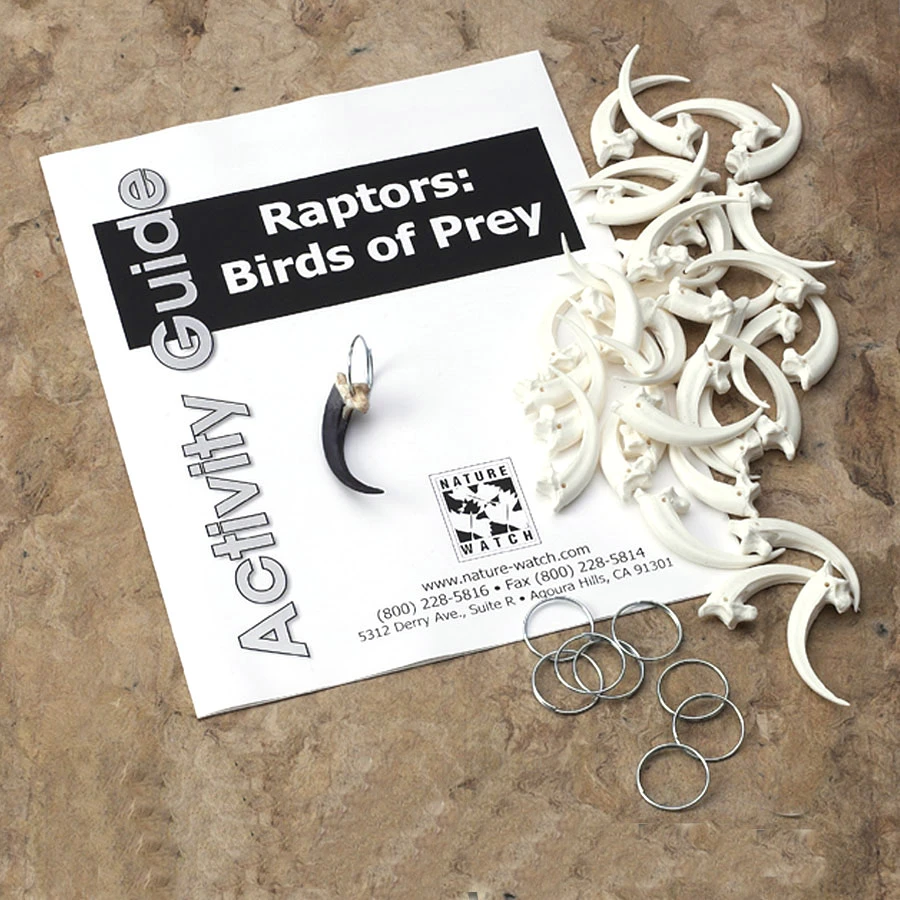
Materials Included:
- A Golden Eagle Talon replica for each participant to color or paint.
- Key rings, so this amazing claw can be a neat keychain.
- Baggies for participants to take home their projects in.
- Our exclusive instructor's activity guide that provides everything instructors need to teach about birds of prey and includes a reproducible activity sheet.
- The only materials you supply are paint or markers.
You May Also be Interested In...
Item #134
$53.75-195.00

Item #152
$72.25-289.00
Item #614J
$7.95
Item #505p
$10.95
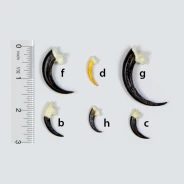
Item #813z
$74.00