
Pressed Leaf Coaster Photosynthesis Activity Kit

ITEM #139
View Afterschool STEM Kits
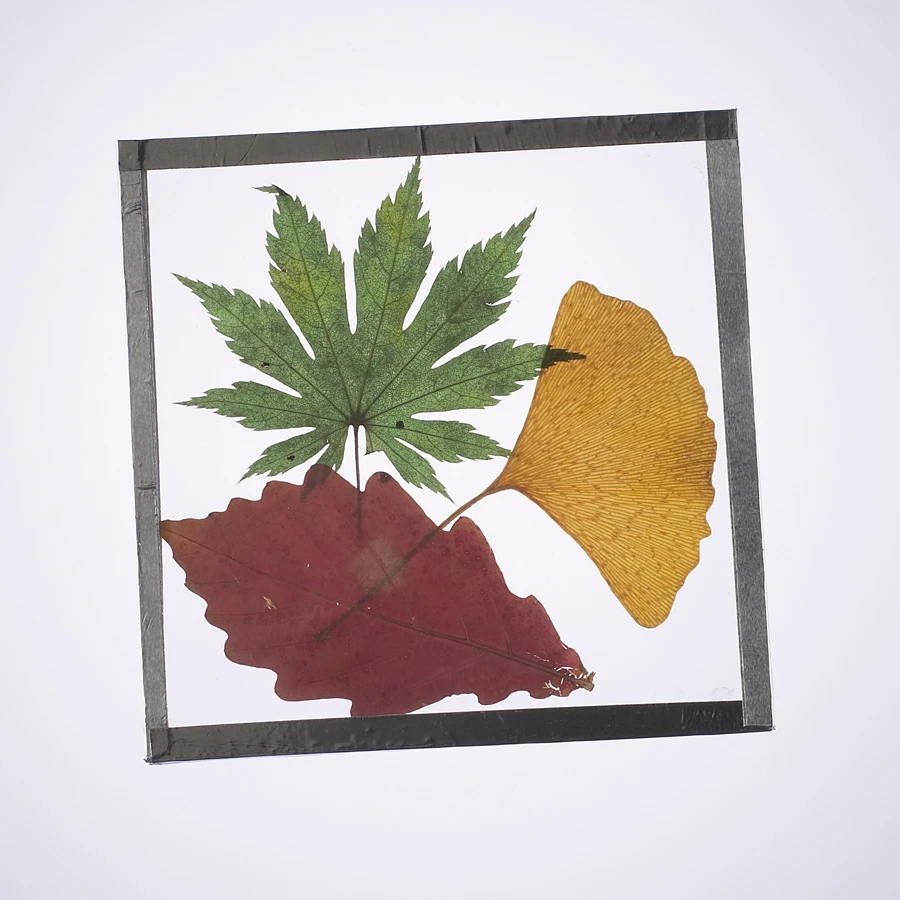
- Craft a coaster with real leaves!
- Includes all materials and instructions
- Learn about leaves and photosynthesis
- Encourages curiosity about science & nature
- Includes 60-minute step-by-step video lesson
Refills or Additional Components for Pressed Leaf Coaster Activity Kit:
| Item # | Name |
|---|---|
| 200g | Baggies (Pack of 100) |

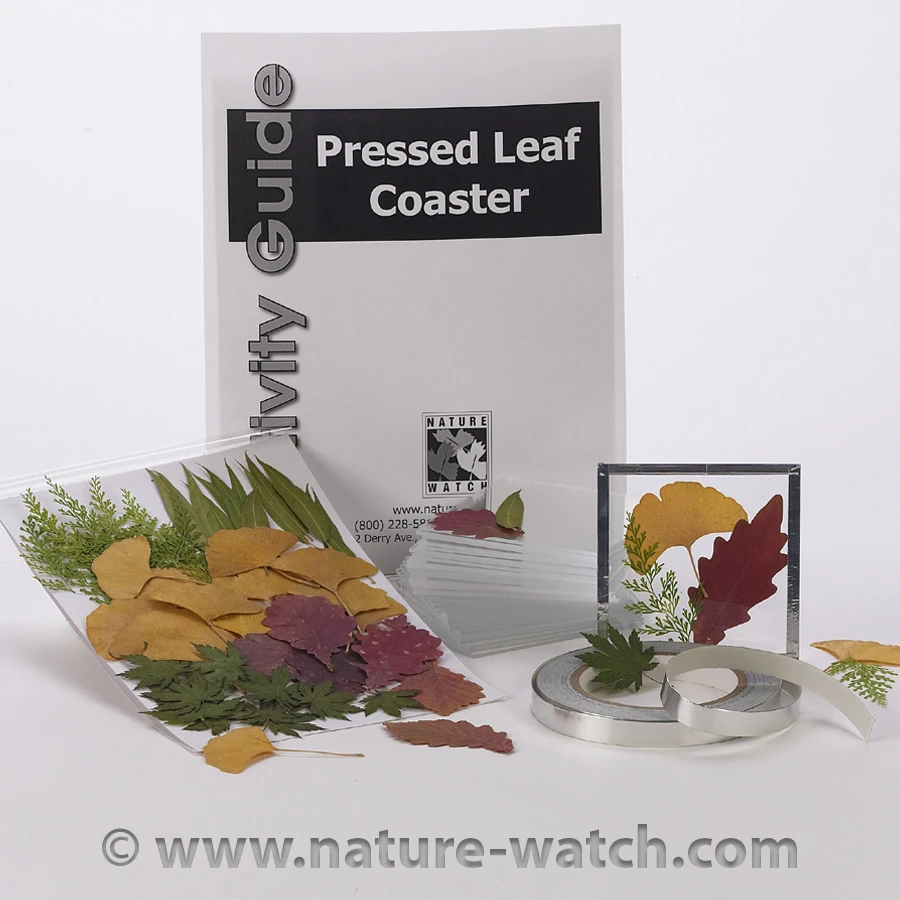
Compare and contrast leaf shapes and arrangements and discover one of nature's most amazing phenomena - photosynthesis (simplified for kids). Each participant will make and take a gorgeous pressed leaf coaster of their very own! Our kit includes everything you need - leaves, plexiglass, foil tape, and rubber feet.
For use in grades TK-8 under adult supervision. Ages 8+ for other uses.
Unit Goals and Concepts:
- Identify the parts of a leaf and their functions.
- Classify leaves and trees based of different criteria.
- Create a leaf coaster using a variety of different leaves.
- Understand photosynthesis (it's easy because we've simplified it for kids and included a worksheet for them to follow along with!)
Materials Included
- An assortment of leaves (usually Oak, Willow, Ginkgo, Rose, and Fern), plus all the other supplies you'll need for each participant to create a pressed leaf coaster.
- Our exclusive instructor's activity guide that provides everything instructors need to teach about leaves, leaf shapes and photosynthesis, plus our reproducible activity sheet.
You May Also be Interested In...
Item #404p
$39.99

Item #158
$64.95-259.80
Item #422f
$14.99
Item #506w
$97.45