Homemade Suncatcher Craft Activity Kit

Not for children under 3 years.
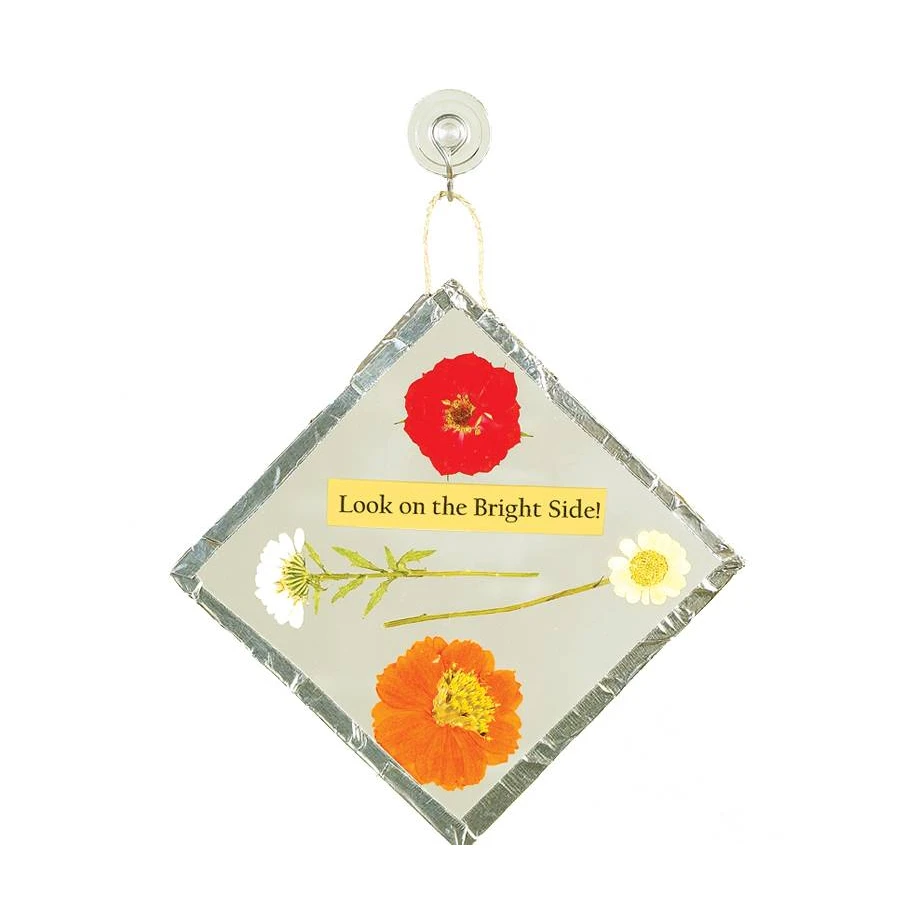
- Craft a suncatcher with real flowers!
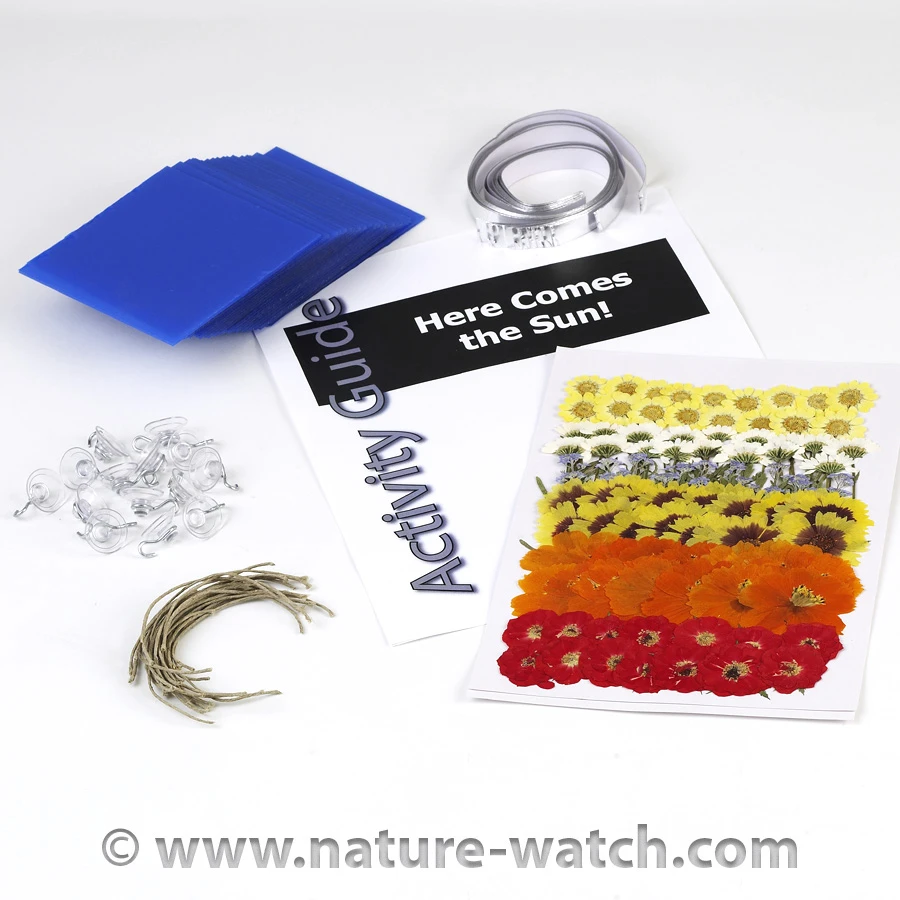
- Includes all materials and instructions
- Learn how the sun works and helps the Earth
- Encourages curiosity about science & nature
- Includes 60-minute step-by-step video lesson

People have been fascinated by the sun for thousands of years! The sun is the center of our solar system and is the driving force of life on Earth. We rely on the sun for light, heat, food, water, energy and more. Historically, many cultures even worshipped the sun!

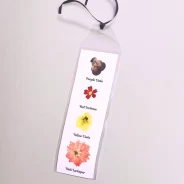
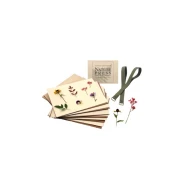
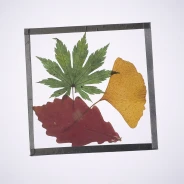
Our Here Comes the Sun Activity Kit provides all of the materials you need for each participant to assemble and hang their very own suncatcher. First, each child selects pressed flowers from a beautiful assortment that we provide. Next, place the flowers between 2 crystal clear 4" plastic squares and wrap a shiny piece of foil tape around the edges. Finally, attach a piece of hemp string and hang the suncatcher in a window using the included suction cups. When the sun shines in the window, this beautiful craft will be a reminder of the things they learned about the sun!
Everything you need to assemble the craft as well as a detailed Instructor's Guide to help you deliver the educational information is included. Our Here Comes the Sun-Catcher Activity Kit is a perfect example of how we make learning about nature and science so much fun!
For use in grades TK-8 under adult supervision. Ages 8+ for other uses. (Younger kids will need a little help with the foil tape!)