
Create-A-Bat Activity Kit


WARNING: Choking Hazard
Not for children under 3 years.
Not for children under 3 years.
ITEM #126
View Afterschool STEM Kits
- Decorate an interactive bat craft!
- Includes all materials and instructions
- Learn about bats and their part in ecosystems
- Encourages curiosity about science & nature
- Includes 60-minute step-by-step video lesson

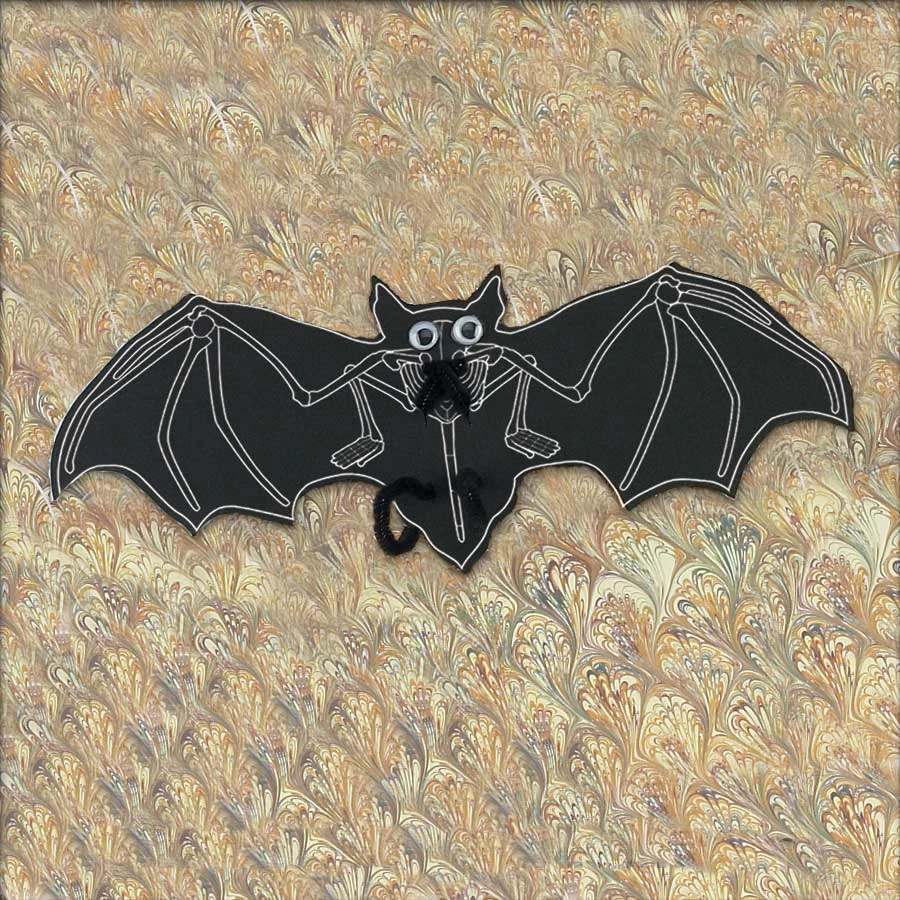
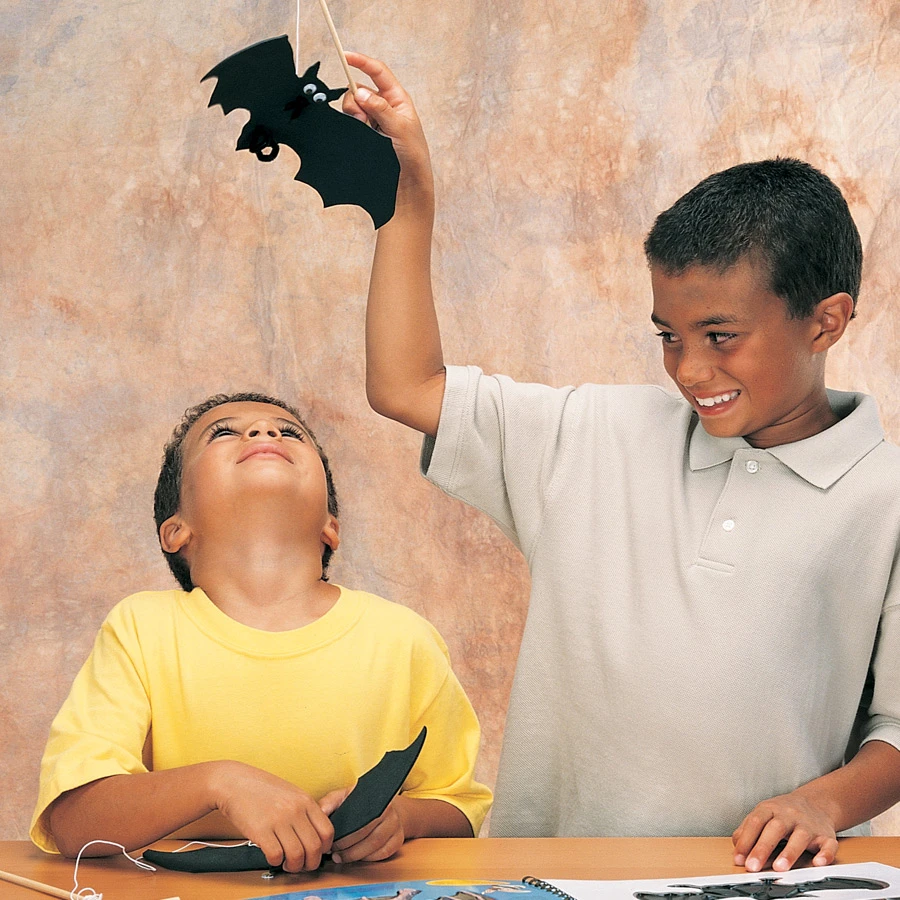
Bats are amazing mammals. They fly, use sonar, sleep upside down and can each eat up to 5,000 insects per evening! This amazing project provides everything you need to create bats that fly, eat and sleep. Take your bat off the branch and it dances about with the tapping of a finger.
For use in grades TK-8 under adult supervision. Ages 8+ for other uses.

Unit Goals and Concepts:
- Understand the differences between different types of bats.
- Discuss the habitat of bats.
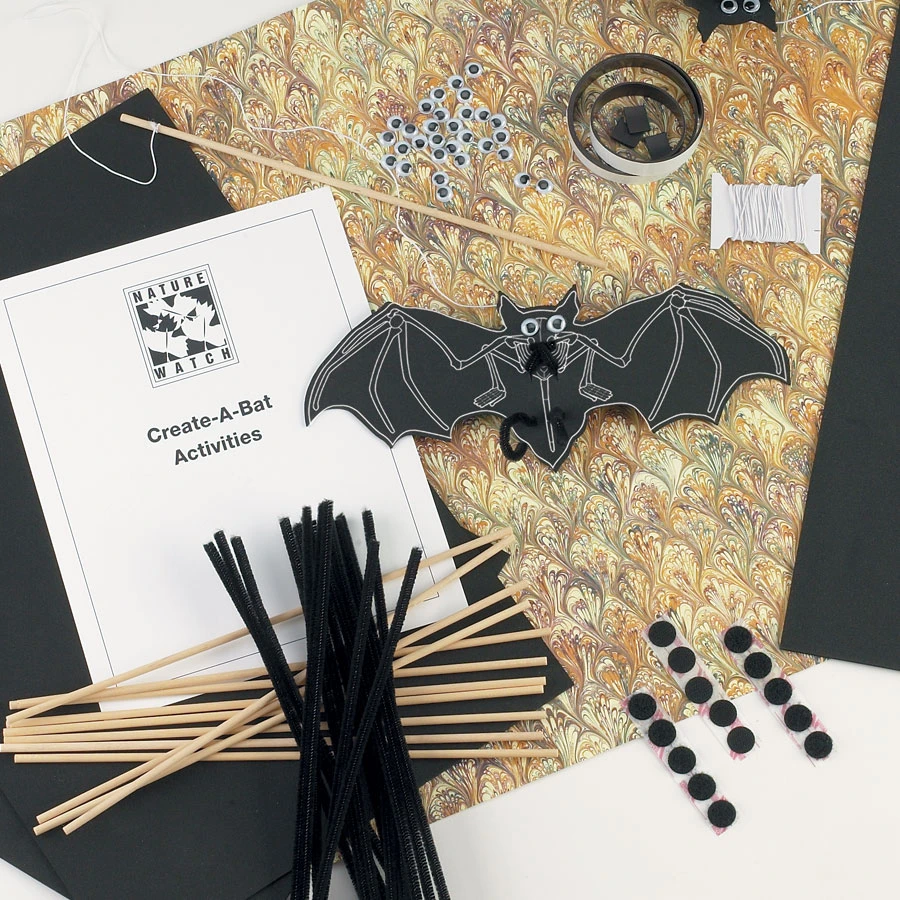
- Create a bat with eyes, feet, wings that close, a "branch" to hang from and a magnetic mouth for "eating" paperclips.
- Learn about different parts of a bat's body.
Materials Included:
- Foam bats, plus all the parts to put it together.
- Our instructor's activity guide that provides loads of information on bats, detailed project instructions, games and more. There's also a reproducible sheet with pictures of bat anatomy, a word search puzzle and other fun activities.
- The only materials you supply are glue, scissors and paper clips (our bat has a magnet for a mouth to facilitate insect eating races!)
Companion Book:
Looking for an educational book about bats to introduce this kit to your students? Click here.

You May Also be Interested In...
Item #634g
$9.95
Item #805g
$82.95
Item #409d
$8.91
Item #404u
$29.95