
Animal Track Activity Kit




ITEM #105s
View Afterschool STEM Kits
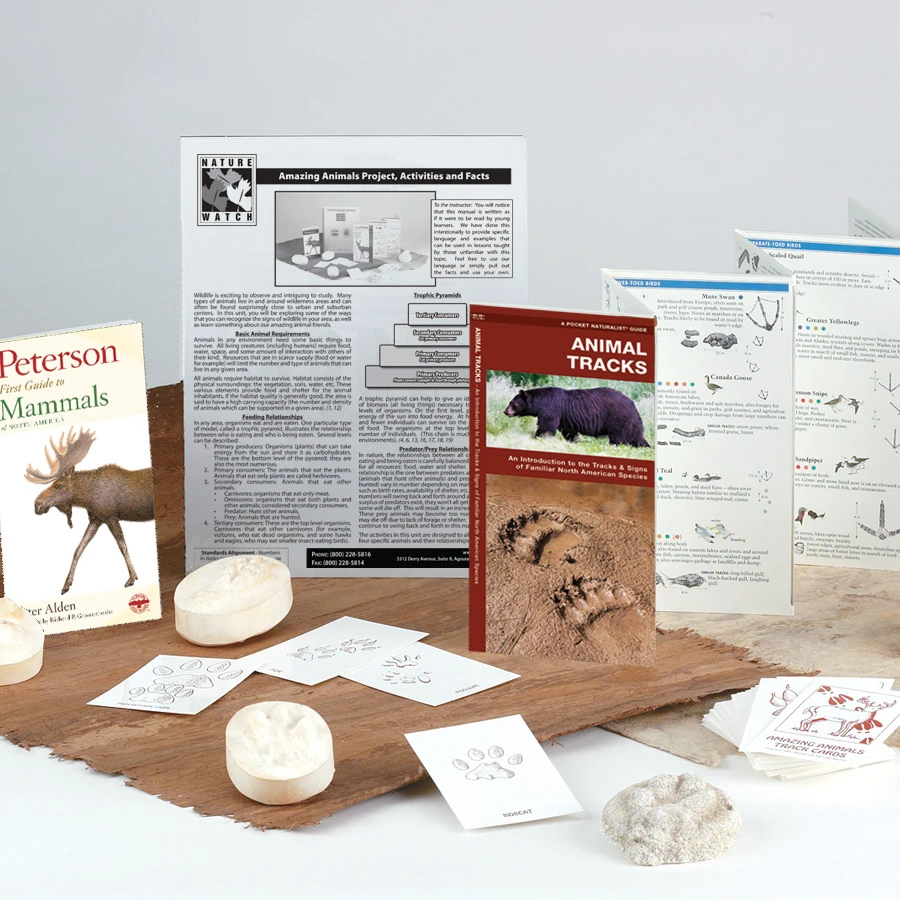
- Create realistic animal track casts & impressions!
- Learn about animal relationships and how to identify tracks
- Includes reusable animal track molds, activity cards, and guide
- Casting material not included
- Encourages curiosity about science & nature
Refills or Additional Components for Amazing Animals Activity Kit:
| Item # | Name |
|---|---|
| 314c | Amazing Animal Track Cards |
| 205z | Animal Tracks (set of 16) |

Ever notice the expression on a child's face when an animal's footprint is pointed out in the dirt? It's that look of wonderment that inspired our exclusive Amazing Animals Activity Kit. This kit teaches kids to identify the various animal visitors around them. After you make tracks in the sand or dirt with the master tracks included in this kit, each person gets to mold their own track impression and take it home!
For use in grades TK-8 under adult supervision. Ages 8+ for other uses.
Unit Goals and Concepts:
- Introduce participants to animal clues in the area
- Increase awareness of animal life
- Show basic animal relationships
- Case and learn to recognize some specific animal tracks
Materials Included:
- The master track set (including one each of coyote, rabbit, mountain lion and deer), which is made of super-strong, long-lasting resin for repeated use. (You can order tracks from other animals at the link below.)
- Books and resource materials to help you identify tracks in the field.
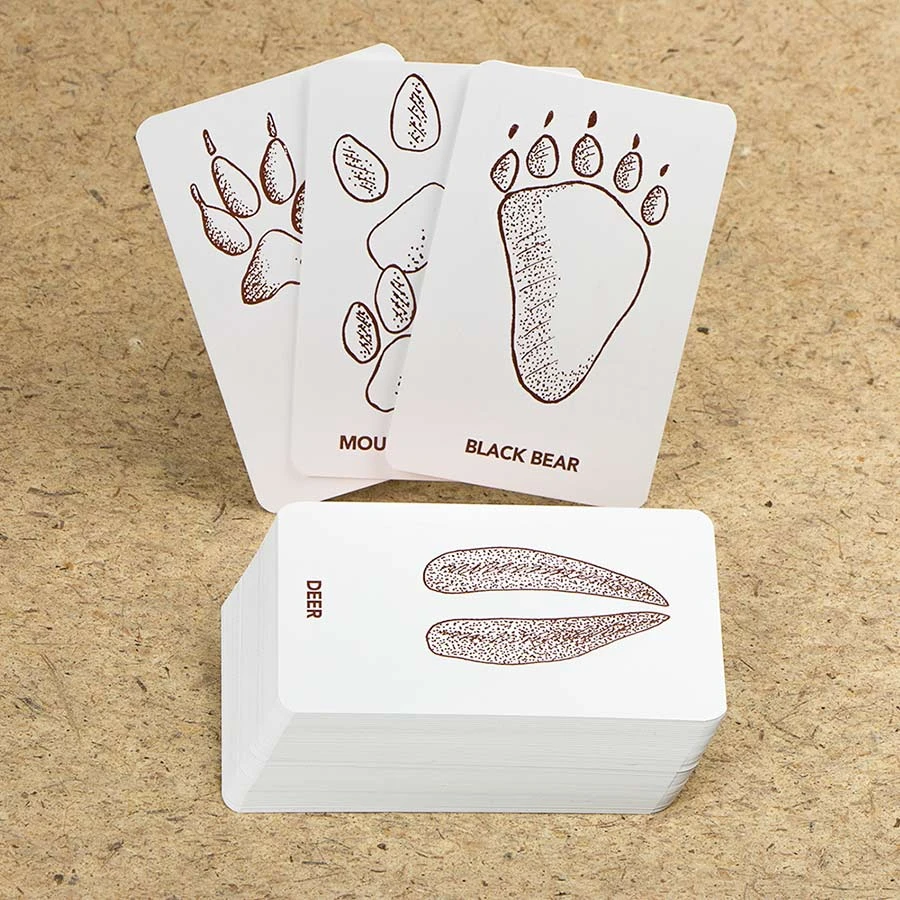
- Nature Watch's exclusive Amazing Animal Track Cards, which will help kids recognize animal tracks by making a game out of it.
- Our exclusive instructor's activity guide that makes planning the project easy and delivers loads of fun ideas for activities, games and relevant projects.
Materials You Provide:
- Plaster of Paris or our Perfect Cast (Click here)
- Water
- A sandbox, soft dirt or bins with sand
- Cups and stir sticks.
To see all of the additional animal tracks available from Nature Watch, click on "Animal Tracks (set of 16)" in the Refills or Additional Components section above.
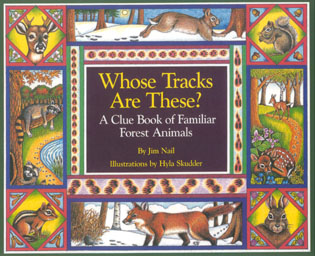
Companion Book:
You May Also be Interested In...

Item #419u
$10.99
Item #160
$6.95-195.00
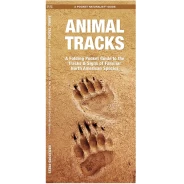
Item #614a
$7.95
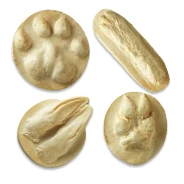
Item #205z
$165.20